Budget vs. Premium Pocket Tire Inflators: What’s Worth Paying For?
In a budget vs. premium pocket tire inflator comparison, the best value depends on what happens the day you need air. If you check one commuter car in your driveway, a compact rechargeable pump may cover the entire job. If you maintain two cars, already carry power-tool batteries, or want a way to run the pump when its battery is empty, the extra cost can buy something you will actually use.
Choose compact USB charging for one car, a removable battery if you already own a compatible pack, or a 12V backup if you need another way to run the pump.
Compare the 3 options ↓Budget vs. premium pocket tire inflators at a glance
The three models below illustrate different ways to pay for convenience. This is a comparison of manufacturer specifications, package contents, and likely use cases. The listed products use different power systems, so compare the cost of a working setup before judging the price of any bare tool.
| Model | Power | Best use | Trade-off |
|---|---|---|---|
| Xiaomi Portable Electric Air Compressor 2 | Compact built-in battery | Occasional passenger-car top-offs | Short hose and built-in battery |
| Ryobi PCL001B | Removable 18V ONE+ battery | Drivers who already own a compatible pack | Check whether the listing includes a battery and charger |
| DeWalt DCC020IB | 20V MAX battery or included 12V DC cord. Optional wall adapter | Drivers who want a corded backup and have room for a larger unit | Battery, charger, and wall adapter sold separately |
What a compact rechargeable inflator buys you
The value in a small inflator is that you can grab it with one hand, carry it from wheel to wheel, and put it away with the adapters. If your job consists of a few PSI at a time on a passenger car, easy storage and a simple charging routine can matter more than another set of modes. Think about where you will keep the charging cable and whether the pump can sit beside the tire with the valve near the top of the wheel.
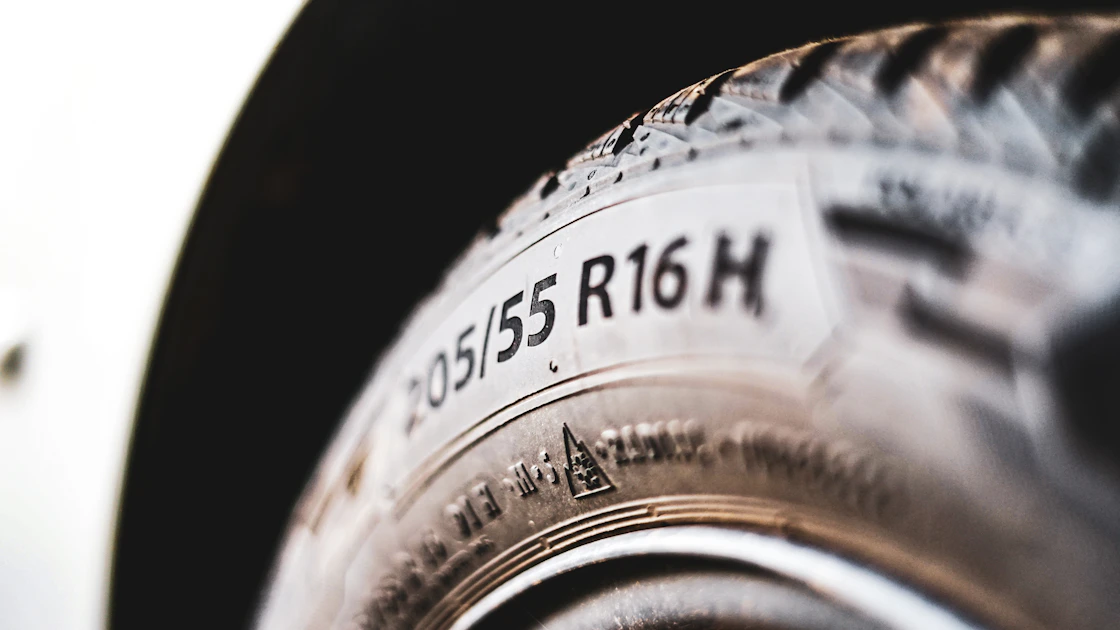
The Xiaomi Portable Electric Air Compressor 2 is a concrete example. Xiaomi publishes a top-off test on a 205/55 R16 tire, going from 2.0 to 2.5 bar in about two minutes under its lab conditions. It also publishes a separate test that starts at zero indicated pressure and takes about eight minutes on the same size. Those figures describe different amounts of work and help explain why a pocket model can feel quick for monthly maintenance yet take longer when starting pressure is much lower. See Xiaomi’s test conditions.
The simplest buying check is to compare your own expected pressure increase with the company’s example. A car that needs a small adjustment every month is a better match for this format than several large tires that frequently need a substantial refill. Check whether a replacement hose is available and read the product manual for temperature and charging limits. The pump will be most useful if it is both accessible and charged when you need it.
When a removable tool battery is worth it
The Ryobi PCL001B uses the 18V ONE+ platform and offers a digital gauge and auto shutoff. Ryobi offers both tool-only and kit choices. That makes the purchase particularly easy to evaluate if you already own a compatible battery and charger. In that case the bare tool can be the relevant price. If you are starting from scratch, compare the kit price and storage footprint against a rechargeable pocket pump. See Ryobi’s tool and kit options.
The practical advantage of a removable pack is that you can put in a charged spare when the first one runs out. The pump still has its own operating limits. Before buying for several vehicles, check the manual for cooldown instructions and look for an inflation test on tires like yours. A battery swap restores power, while a prescribed cooldown gives the compressor time to shed heat. Budget for both when you estimate how long a multi-vehicle check will take.
Think about who actually uses the battery. A pack shared with a drill or yard tool can be empty or in another room on the day you check your tires. Decide whether a dedicated pack would solve a real problem or simply add cost. Try picturing the pump with the battery installed, especially if you want to keep it in a tight trunk compartment.
What you get from a premium multi-power inflator
The DeWalt DCC020IB is a larger alternative for buyers considering a step up from pocket size. It supports a compatible 20V MAX battery, an included 12V DC cord, or a separately sold wall adapter. DeWalt also specifies a high-pressure mode with automatic shutoff and a separate high-volume mode for items such as air mattresses. The tool-only version excludes the battery, charger, and wall adapter, so the package contents matter more than the advertised number of power options. Check DeWalt’s included accessories and manual.
The included 12V cord can make sense if you expect to leave the pump with the vehicle and want an alternative to a charged tool battery. Check the vehicle manual for the socket rating and use the connection described in the inflator manual. Find out whether the cord and hose can reach your farthest wheel without pulling on the valve. The backup is only useful if you can connect it where you need it.
The separate high-volume mode has value if you also fill recreational inflatables. A driver buying exclusively for tire top-offs can ignore that feature and focus on the high-pressure hose, how easy the display is to read, and the cost of the power source they will actually use. If a model takes up more space in the trunk, decide whether it will stay there throughout the year or get left behind after the first trip.
Work out the real price before choosing
Compare the delivered price of the complete setup for each option. Start with the pump, then add any required battery and charger. Add an optional wall adapter only if wall power is part of your plan. If a cable comes in the box but a charger does not, check whether you already own a compatible charger. These details can make a sale price look very different once you compare like-for-like packages.
Use a specific example from your routine to decide whether an upgrade pays off. A household with one sedan and a reachable charging outlet might value small storage size every week. A household with two cars and a shared power-tool battery might benefit from swapping packs. Someone who checks tires while traveling might prefer a documented 12V option if the vehicle has a suitable outlet. Write down the job each feature would solve. If you cannot name the job, the feature has little practical value for you.
Before ordering, check the cold inflation pressures and tire sizes for every vehicle you expect to cover. The driver’s doorjamb label or owner’s manual gives the pressure target. NHTSA recommends checking cold tires after the vehicle has been parked for at least three hours. For more on choosing by tire size, cooling time, and connectors, use our pocket tire inflator buying guide. See NHTSA’s tire pressure guidance.
Test the feature you paid extra for
During the return window, try the pump on a tire that already needs a routine top-off. Check with a separate gauge, note how long the fill takes, and check again after disconnecting. If easy valve access drove your decision, try the most awkward wheel on the vehicle. If you paid for a second power source, set it up using the manual and verify you can reach the farthest wheel. This is more informative than running the pump with its hose disconnected.
Keep the result simple enough to use next time. Write down where the pump is stored, which cable or battery it needs, and whether you have to stop to let it cool between tires. Put any required adapters in the same pouch. If the tool is shared, show the other driver where to find the vehicle pressure label. For a tire that repeatedly loses pressure or shows signs of damage, arrange an inspection rather than relying on repeated top-offs.
What you can skip when the budget is tight
A flashlight is handy, but it is less valuable if you already carry a headlamp that leaves both hands free. Extra ball and bicycle adapters are worth having only if you own something that needs them. Multiple presets can save time in a household with different tire pressures. On one car, a clear display and a manual preset you can adjust are often enough. Look at the controls in the manual or product photos and imagine changing the target on a dark driveway.
Keep a little of the budget available for a separate tire pressure gauge if you do not already have one. It gives you a second reading and lets you do a quick check without taking out the pump. Compare the hose and chuck before comparing accessory counts. A chuck you can comfortably attach and remove on your own wheels will affect every use. A small storage pouch also matters if loose adapters tend to get lost in your trunk.
Give more weight to a published manual, a clear warranty in your region, and a useful return window. Look for pressure and operating-time limits you can understand before checkout. If a listing does not tell you whether a battery is included or shows a kit photograph beside a bare-tool model number, confirm the exact package with the retailer. Spending a little time on those checks can prevent buying a second charger or finding out that a cord will not reach your rear wheels.
Frequently asked questions
Is a budget pocket tire inflator enough for a car?
A compact rechargeable model can be enough for occasional top-offs if its documented tire workload, runtime, and hose reach fit your car. Check the manufacturer’s test conditions against your tire size and typical pressure increase.
What makes a premium tire inflator worth buying?
A premium model earns its extra cost when it solves a recurring problem, such as an unavailable charger, repeated top-offs across several vehicles, or the need for an alternate power source. Compare the total cost with any battery, charger, and adapter you need.
Do higher maximum PSI ratings mean faster inflation?
Maximum PSI describes a pressure limit. Compare inflation times for tires of similar size and for the same starting and target pressures. A higher maximum figure alone gives you no reliable comparison of speed.
Featured photo by Zoshua Colah on Unsplash.