
How to Choose a Pocket Tire Inflator for Your Car
A pocket tire inflator is most useful when you need to add a few PSI to a car tire at home and want to avoid uncoiling a power cord. The buying decision gets harder when the same tool has to serve an SUV, a second vehicle, or a car that sits outside in winter. In those situations, the tire size, the amount of air you need, and the time the pump can run between cooldowns matter more than the number printed on the front of the box.
Which tire inflator fits your car?
Choose a rechargeable pocket inflator for routine passenger-car top-offs, a removable-battery model if you already own the battery, or a larger powered compressor for regular work on higher-volume tires.
Compare the 3 inflator typesStart with the tires you actually own
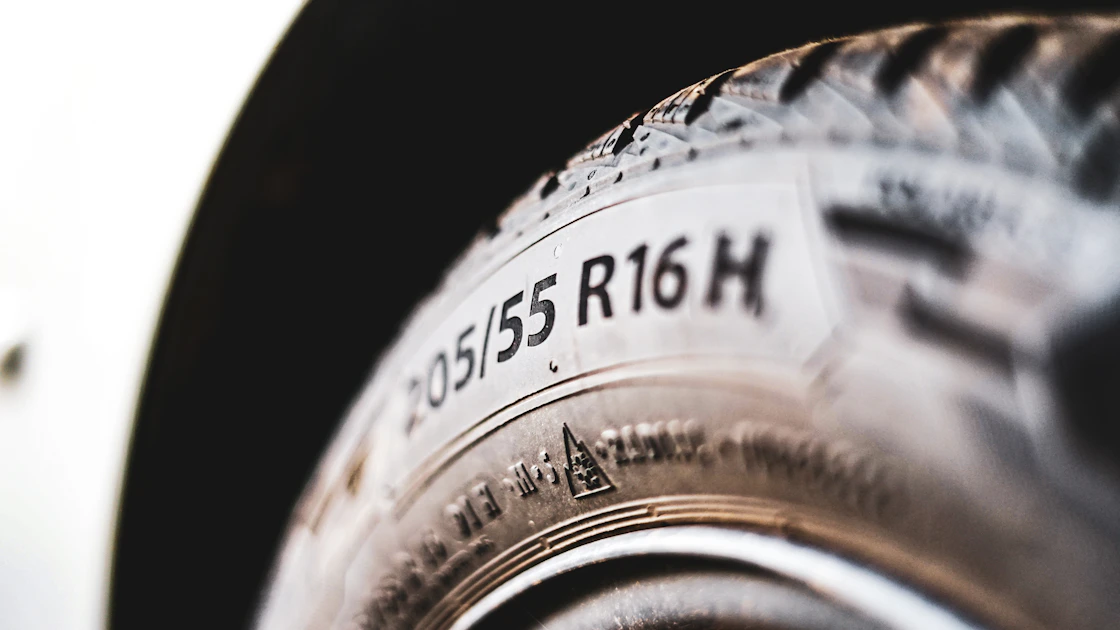
Write down the tire size and the recommended cold pressure for each vehicle you plan to maintain. The pressure usually appears on the driver’s doorjamb label, and the owner’s manual explains any differences between front and rear tires or special loading conditions. The tire size is printed on the sidewall. A size like 205/55 R16 is useful when checking whether a manufacturer’s advertised inflation test involved a tire similar to yours.
Next, decide how much air you expect to add in one session. Adding 3 PSI to two passenger-car tires is one job. Adding 8 PSI to eight tires across two vehicles is another. Make the purchase around the larger job you expect to do regularly. If your second vehicle has larger tires, use it as the reference for checking pump runtime, hose reach, and power supply. A compact pump that feels effortless on a sedan can require multiple stops on a larger vehicle.
For your pressure target, follow the vehicle placard or owner’s manual. Check tires when cold, ideally after the vehicle has been parked for at least three hours. The pressure molded into the tire sidewall describes the tire’s rating. See the NHTSA TireWise maintenance guide.
Compare pocket, tool-battery, and plug-in inflators
| Type | Best fit | Check before buying |
|---|---|---|
| USB-rechargeable pocket inflator | Occasional passenger-car top-offs and compact storage | Tire test, duty cycle, hose reach, charging requirements |
| Removable tool-battery inflator | Home use with an existing compatible battery platform | Battery and charger inclusion, total size and weight |
| Vehicle-powered compressor | Drivers who prefer a pump that draws power from the vehicle | Current draw, required connection, hose and cord reach |
Compact example: Xiaomi Portable Electric Air Compressor 2
This rechargeable model illustrates what a useful spec sheet looks like. Xiaomi lists a maximum pressure of 150 PSI and publishes a test using a 205/55 R16 tire. With a full charge at about 25°C, the company reports up to 10 top-offs from 2.0 to 2.5 bar, taking approximately two minutes each. It also reports approximately eight minutes to go from zero indicated pressure to 2.5 bar on the same size under its test conditions. The difference shows how much the starting pressure changes the workload. Treat the figures as a benchmark for a similar tire and conditions. See Xiaomi’s test conditions and specifications.
The short hose is worth checking. If your valve tends to stop high on the wheel or sits behind a deep opening in the rim, find out whether you can set the unit down with the connector attached. If you will need to hold it while it runs, think about where your hand goes relative to the exhaust vent and where you’ll read the screen. That small detail matters when you’re topping up all four tires.
Removable-battery example: Ryobi PCL001B
If you already have a charged Ryobi 18V ONE+ battery, the PCL001B is an example of a compact tool-platform inflator. Ryobi lists a maximum of 160 PSI, a digital gauge, and automatic shutoff. The manufacturer offers tool-only and kit options. Compare the package that includes everything you need and allow space for the battery when deciding where to store it. The 160 PSI figure alone gives you no comparable inflation time against the Xiaomi test. Check the Ryobi PCL001B specifications and kit options.
A vehicle-powered pump can be a better fit for drivers who regularly forget to charge portable tools. Check the compressor manual and the vehicle manual together. Confirm whether the pump uses an accessory socket or a different connection and whether its electrical requirements fit your vehicle. Then check that the total cable and hose length can reach the farthest valve with some slack. A rear socket can change where you need to position the pump.
Five specifications worth checking
1. Inflation time on a comparable tire
Look for a test that gives you three inputs: tire size, starting pressure, and target pressure. A claim that the pump fills a tire in one minute can describe a small pressure increase on a small tire. If two listings use different starting pressures or tire sizes, you have two separate benchmarks. Compare the closest one to the way you plan to use the pump. Where the vendor gives only an airflow number, look for the pressure at which it was measured.
2. Continuous runtime and cooldown
Open the manual and look for how long the unit can run before it needs a break. For example, if four top-offs take about three minutes each and your model allows ten minutes of continuous use, expect to split the session and observe the prescribed cooldown. A large battery can keep a compressor powered for a long time across several sessions. The pump still has its own thermal limits. This becomes especially important if you intend to check several vehicles at once.
3. Valve access and chuck design
Most passenger vehicles use a Schrader valve. Check how the included connector attaches to it. A screw-on chuck needs room to turn, while a lever-style chuck needs clearance to move the lever. A recessed valve, an awkward wheel cover, or a short stiff hose can make a theoretically compatible connector frustrating. If you want to use the same inflator on a road bike with Presta valves, confirm which adapter is included and where it can be stored.
4. Gauge readability and shutoff
Automatic shutoff lets you preset the pressure and pay attention to the hose and connector while the pump runs. Look for a display you can read in daylight and at night, as well as controls that clearly show PSI or bar. After the first use, check the result with a separate tire pressure gauge. If the readings differ consistently, consult the manuals and check the connection and unit settings before changing how you fill the tire.
5. Charging, storage, and replacement parts
A USB-C charging port tells you what the connector looks like. The manual tells you what charger it accepts, what comes in the box, and whether the pump works while connected to power. If you plan to keep it in the car year-round, compare the stated storage and operating temperature limits with the conditions where you live. Also look up whether the manufacturer sells a replacement hose or connector. Those small parts can determine how long the tool stays useful.
Match the pump to your driving routine
For one commuter car, pick a compact model you will remember to charge and can connect without fighting the wheel spokes. Try it at home on a cold tire before counting on it away from home. For two cars, pay more attention to the published number of top-offs per charge and the cooldown instructions. If you do all your checks on the same morning each month, include the second car and any accessible spare in your estimate.
For a larger SUV, truck, or trailer, start with the actual tire requirements and look for a compressor designed for that workload. Compare documented performance at relevant pressures, runtime, and the required power connection. If a compact pump’s only published test is on a much smaller passenger tire, there is little evidence for estimating how long it will take on your setup. Check the vehicle owner’s manual for spare access and pressure as well.
If the same tire repeatedly loses pressure, arrange an inspection. If you find visible damage, or if a tire has been driven while flat, follow the vehicle’s roadside instructions and seek professional help. A working inflator can restore pressure during routine maintenance. A shop can assess whether a leaking or damaged tire can return to service. See the NHTSA tire safety guidance.
Check the inflator during the return window
Charge the new inflator as directed, then try it on a tire that already needs a routine top-off. Write down the pressure before you start, the target, and the elapsed time. Check the result with your separate gauge after disconnecting the hose. Repeat on a wheel with less convenient valve access. This gives you a way to judge fit and handling on your own car while you still have the option to exchange the tool.
For a removable-battery model, run the check with the battery you actually plan to carry. A larger pack can make the unit awkward to position near a wheel even if it fits easily on a workbench. For a plug-in model, try reaching each wheel from the vehicle connection recommended in the manual. If the cable pulls tight at the far wheel, resolve that before relying on it. Check the product documentation before adding an extension or adapter.
Finally, pack the tool the way you will use it. Keep the charging lead, hose, and any valve adapters in one pouch. If a second driver shares the car, show them where the kit lives and where to find the vehicle pressure label. Add a reminder to check the pump’s charge when you check the tires. A short trial at home is enough to tell whether the pump, gauge, and storage setup work together for your routine.
Frequently asked questions
Is 150 PSI enough for a car tire inflator?
A 150 PSI maximum is above the cold pressure specified for many passenger cars. Whether the pump suits your car still depends on the actual tire size, its required cold pressure, how far below target it typically is, and the pump’s documented runtime. Start with the placard and a test close to your tire size.
Can I use the same pocket inflator for two cars?
Yes, if the inflator supports both vehicles’ tire requirements and can handle the total work within its runtime and charging limits. Check the larger vehicle first. If there is a cooldown requirement, factor that into the time you need for both cars. A spare charged battery can help with a compatible tool-platform pump.
Can I store a rechargeable inflator in the trunk?
Check the manufacturer’s storage temperature range and charging instructions. Trunks can get very hot in direct sun and very cold overnight. If conditions go beyond the stated range, store the inflator somewhere suitable and bring it along when needed. Keep the hose and adapters together so the unit is ready to use.
For more on the site, visit About AutoTireSolutions. Featured photo by Jaye Haych on Unsplash.


2 Comments