How Long Does a Tire Balance Take?
How long does a tire balance take? Plan on about 30 to 60 minutes for a standard balance of all four wheels once the shop starts. Your full visit may take longer if you have to wait for a bay, the shop needs to trace a vibration, or a wheel or tire has damage.
Ask the shop for two times: when a technician can start and when the car should be ready. If you’re booking because the car shakes, tell the shop when you feel it. Finding the source of a shake can take longer than a routine balance.
I’d use 30 to 60 minutes to plan the work itself. Before fitting the visit into a lunch break, I’d ask whether the shop can start when I arrive. One loose wheel you bring to the counter is a different job from four wheels on a car that shakes at highway speed.
If the car starts shaking hard or becomes difficult to steer, pull over as soon as you can do so safely. If you see a bulge, exposed cords, or loose tread, get roadside help. Have the damage checked before driving on that tire again.
How Long Does a Tire Balance Take at a Shop?
For a set of four wheels, 30 to 60 minutes is a reasonable planning range for a standard spin balance after work starts. Kneble’s Auto Service Center lists that range for a four-wheel dynamic balance. Your shop’s estimate may differ based on the vehicle, the wheel setup, and what the technician finds. Kneble’s four-wheel balancing estimate.
One wheel generally takes less time to service than four. If you bring in a wheel with the tire already mounted, the shop can skip taking that wheel off the car. It still needs an open spot on the balancer and a technician to do the work. Ask when the loose wheel will be ready before deciding whether to wait.
| Service | What can affect the time | What to ask |
|---|---|---|
| Standard balance on four wheels | Allow about 30 to 60 minutes once work starts. Add any wait for a bay. | Does the estimate include the wait? |
| Balance on one wheel | There’s less work, but the shop may still have jobs ahead of yours. | Can you fit one wheel in today? |
| New tire installation | The shop must mount the new tires before balancing them. | Does the pickup estimate cover mounting and balancing? |
| Balance and rotation | The shop already has the wheels off for a balance and may be able to do both jobs in one visit. | Is rotation included, and how does it affect pickup time? |
| Road-force test for a vibration | Testing under load, moving the tire on the wheel, or a road test can add time. | Can you do the test in the same visit? |
| Inspection after a pothole hit | A bent wheel or damaged tire can change the job from balancing to repair or replacement. | Will you inspect for damage before adding weights? |
What Happens During a Tire Balance?
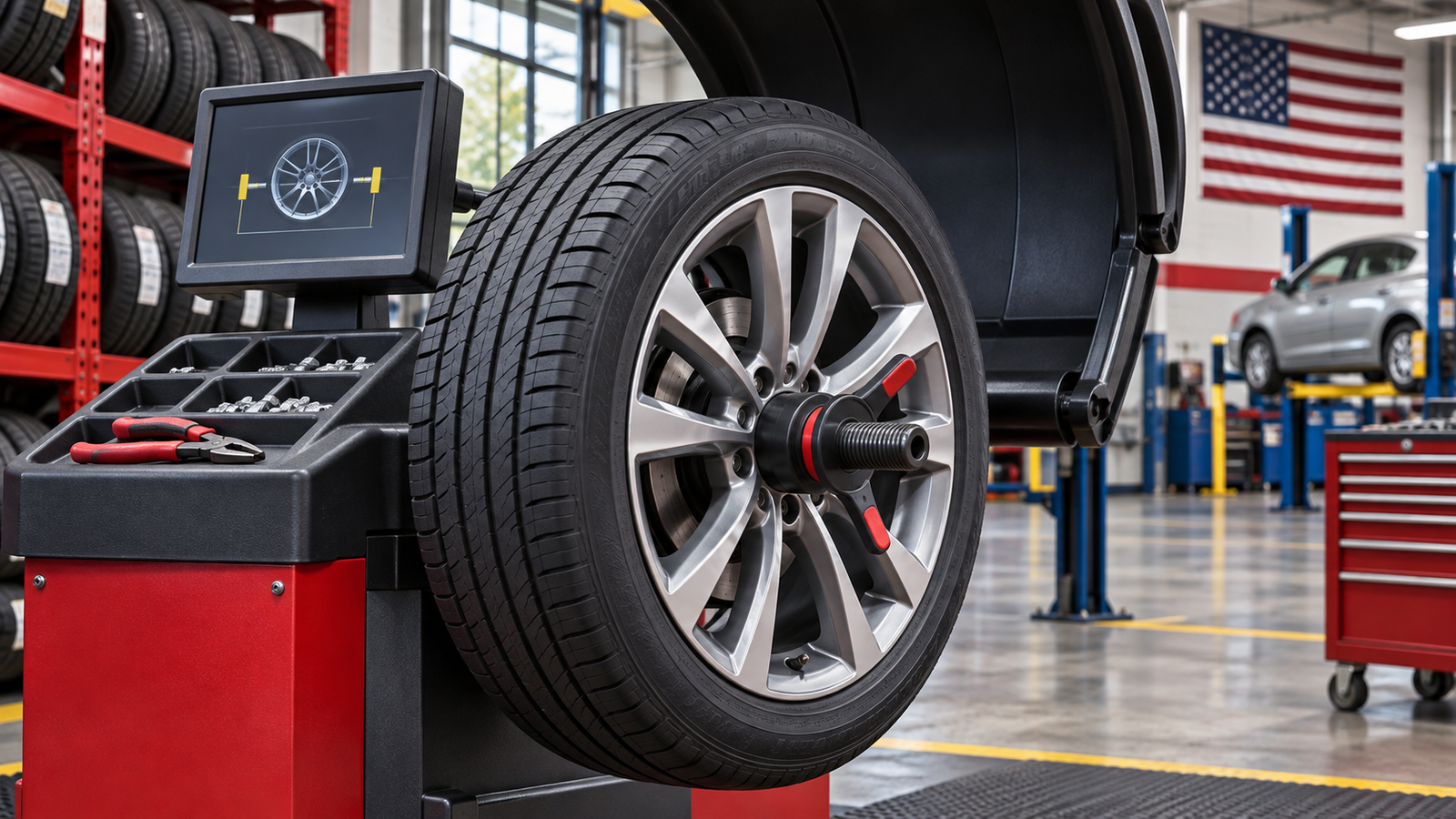
A technician balances the tire and wheel as one unit. If some areas of that unit weigh more than others, it can shake as it spins. The shake may be easier to feel at certain speeds. Small weights placed on the wheel can offset that difference.
Most routine shop work uses a spin balancer, a machine that shows the technician how much weight to add and where to place it. A dynamic balance looks at weight on both sides of the wheel so the technician can correct imbalance across its width. Michelin’s guide to wheel balancing and alignment.
The technician looks for issues that could affect the job, such as damage, uneven tread wear, or debris stuck inside the rim. This check matters most if the shake started after a hit or came on without warning.
The technician uses a fitting that suits the wheel. The wheel must sit centered on the machine so the reading reflects how the assembly spins.
The machine measures imbalance and shows where weight is needed. The technician places suitable weights on the wheel and spins it again to check the result. If the reading is off, the technician may adjust the weights and recheck.
The shop reinstalls the wheels and tightens the lug nuts or bolts to the vehicle maker’s torque spec. If you came in for a shake, ask whether the shop will road-test the car or wants you to report how it feels on your usual route.
What Makes Tire Balancing Take Longer?
The shop can’t start right away
A 45-minute job plus an hour waiting for a bay is one hour and 45 minutes, before check-in and pickup. That’s why I’d ask, “When can you get it into the bay?” even if I’ve booked a time. Some shops can give you a pickup window when you call. Others can give a firmer time after they’ve seen the car.
The vibration needs more testing
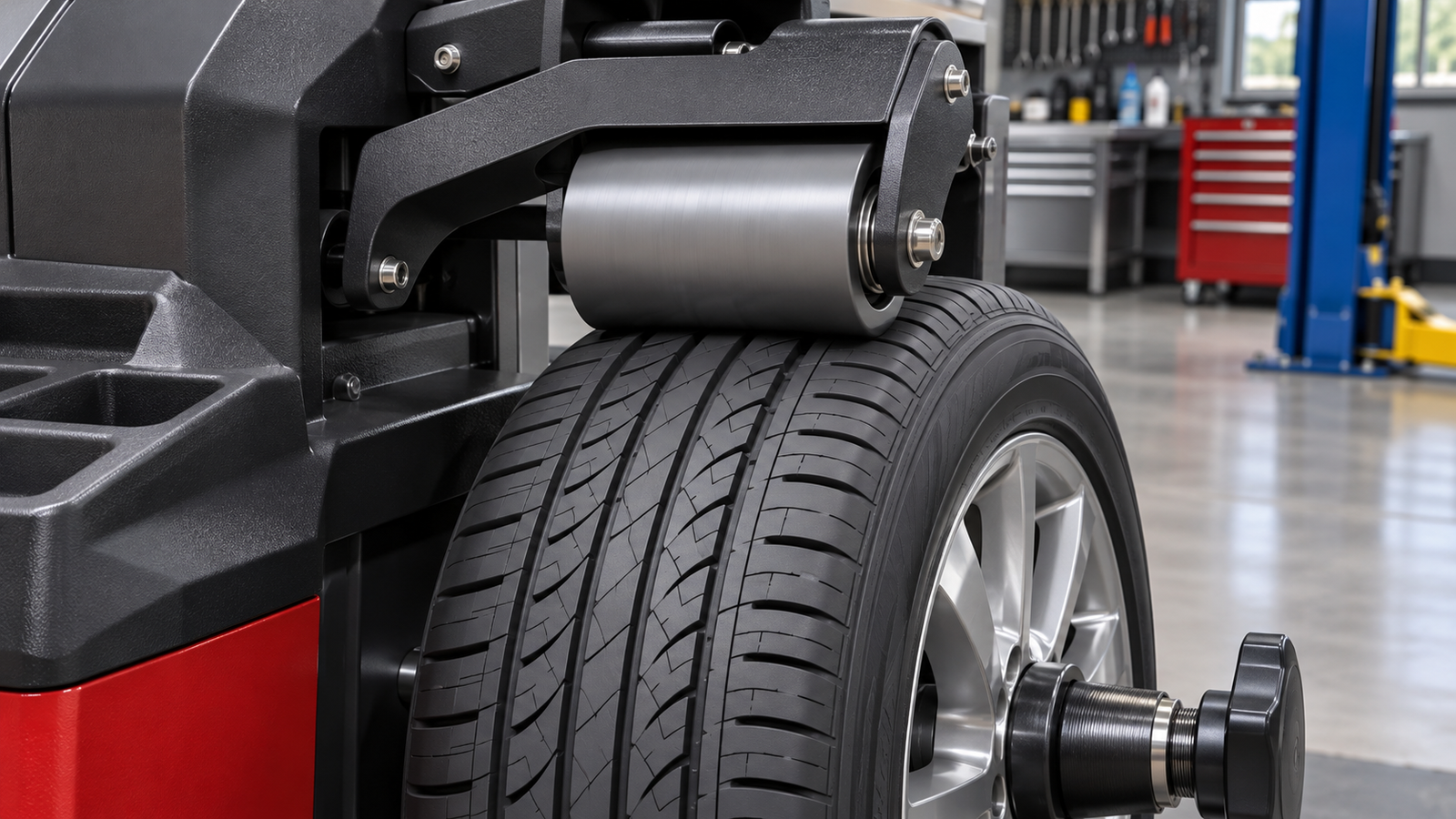
If a standard balance looks good and the shake remains, the shop may suggest a road-force test. That machine presses a roller against the tire as it spins. It can help find changes in the force the tire applies while it rolls, even when the weight is balanced. The technician may need to turn the tire on the wheel and recheck it. Ask whether that work is included in the quote.
The wheel or tire needs more than weights
A bent rim, damaged tire, or tire that rolls out of round can shake even after a balance. If the shake began after a pothole strike, say so when you call. The shop may need to check how straight the wheel runs and inspect the tire before deciding whether the assembly can stay in service.
You’re adding another service
If you’re buying new tires, getting a rotation, or asking for an alignment, find out which jobs are included. When the wheels come off for balancing, a rotation may fit into the same visit. An alignment calls for separate measurements and may need a different bay.
When you call about a vibration, say where you feel it and when it happens. For example, “The steering wheel shakes near 60 mph and feels smooth in town” gives the technician a useful starting point. Mention if it happens only while braking or only on the first few miles after you start driving.
Do You Need a Balance, Rotation, or Alignment?
Balancing deals with how the tire and wheel spin. Rotation moves tires to different spots on the car so they can wear more evenly. Alignment sets the angles at which the wheels point and sit. Tell the shop what you noticed so it can pick the first check. NHTSA guidance on tire balance, alignment, and maintenance.
| What you notice | Where the shop may start | Why |
|---|---|---|
| A shake at a steady road speed | Tire and wheel inspection, followed by a balance check if suitable. | Imbalance is one possible cause. A damaged tire or wheel can also shake. |
| The steering wheel sits off-center or the car pulls | Tire pressure and condition, steering and suspension, then alignment as needed. | Wheel angles, tires, or worn parts may affect how the car tracks. |
| The tread feels sharp across several ribs | Alignment and suspension inspection. | A repeated sawtooth pattern can be a clue that the wheels are scrubbing sideways. |
| The front and rear tires are wearing at different rates | Tread and pressure checks, plus a review of the rotation schedule. | Changing tire positions may help if your setup allows it. Uneven wear can also point to a problem that needs service. |
| The shake occurs only while braking | Describe it as a braking symptom and ask for an inspection. | That detail helps the shop look beyond a routine balance. |
If your owner’s manual allows rotation, ask which pattern fits your car and tires. Some vehicles have different tire sizes front and rear, and directional tires have rules about which way they can roll. Check those details if you plan to combine both jobs.
Should You Wait at the Shop or Drop Off the Car?
Wait if the job is routine and the start time is firm
Say you booked a four-wheel balance and the shop says a bay will be ready at your appointment time. If you’ve left room for the work and a little extra time, waiting may be convenient. Ask the service desk to tell you if the inspection turns up anything that changes the estimate.
Drop it off if the shop needs to trace a shake
Say the car started to shake after you hit a pothole. A balance might be part of the visit, but the technician also needs to check the tire and wheel. I’d plan to leave the car if I had somewhere to be. Ask the shop to call after the first inspection with the likely cost and pickup time.
Ask for a loose-wheel quote if it’s already off the car
Say you have one wheel with a tire already mounted, and you just need it balanced before it goes back on. Tell the shop exactly what you’re bringing. It can quote that job without assuming it needs to lift the car, remove a wheel, or mount a tire first.
What to Do if the Car Still Shakes After Balancing
Write down whether the shake stayed the same, improved, or changed. Note the speed and whether it comes through the steering wheel, seat, or floor. If the shop rotated the tires at the same visit, mention that. Moving a wheel can change where you feel the vibration and give the shop another clue.
Ask the shop to look over the work and tell you what it checked. It may verify that the wheel was centered on the machine, that the weights are still in place, and that the wheel seats correctly on the car. Depending on the symptoms, it may check for uneven wear, a wheel that wobbles as it spins, or a vibration from another part of the car.
A good reading on the balancer shows the machine found little remaining weight imbalance. A bent wheel, a tire that rolls unevenly, or another vehicle issue may still cause a shake. If the symptom is still there, ask what the shop would check next.
Common Mistakes That Can Cost You Another Visit
- Booking an alignment for every shake. Describe the symptom first so the shop can choose the right check.
- Giving the shop only a speed. Add whether you were holding a steady speed, braking, or stepping on the gas. Mention if the shake began after a tire change or a hard impact.
- Assuming every quote covers four wheels. Confirm how many wheels the shop will check and whether a road test is included.
- Leaving right after the work without asking what the shop found. Keep the receipt and any test results, especially if you came in for a vibration.
- Trying to drive through a strong new shake. Pull over safely and get help if the vehicle becomes hard to control or the tire shows damage.
Key Takeaways
- Budget 30 to 60 minutes for a standard four-wheel balance once work starts.
- Ask for a pickup estimate that includes the wait for a bay.
- Tell the shop when the shake starts and whether a pothole hit or tire change came first.
- A damaged tire or bent wheel needs an inspection before you rely on a balance.
- If the shake remains, ask what the shop will check beyond weight imbalance.
Frequently Asked Questions
How long does it take to balance all four tires?
Plan on about 30 to 60 minutes for a standard four-wheel balance once work starts. Add the wait for a bay and any time needed for extra checks.
Is balancing one tire faster than balancing four?
Usually, yes. A single wheel takes less work, especially if you bring it in off the car. The shop’s queue can still affect when you get it back.
Does road-force balancing take longer?
It can. Testing the tire under load adds a check, and the technician may need to reposition the tire on the wheel and test it again.
Can I get a tire rotation and balance in one visit?
Yes, if the shop offers both and your vehicle and tires allow rotation. Ask whether both services are included in the pickup estimate.
Do brand-new tires need to be balanced?
Yes. The shop should balance each new tire and wheel assembly after mounting the tire. Ask whether balancing is included in your installation quote.
Why does my car still shake after the tires were balanced?
A bent wheel, uneven tire wear, or another vehicle issue can cause a shake. Tell the shop when it happens and ask what it can check next.
Ask for the Pickup Time Before You Book
I’d set aside 30 to 60 minutes for a standard four-wheel balance once the shop starts, then ask how long the car will be there in total. If you’re booking because of a shake, describe when it happens and tell the shop about any recent impact or work on the tires. That helps the shop tell you whether to plan for a routine balance or leave time to find the cause.