Best All Season Tires for Snow and Ice: 4 Top Picks
Looking for the best all season tires for snow and ice? The Michelin CrossClimate2 is my first all-weather pick for drivers who want one set of tires for plowed roads, snow, and occasional ice. The Pirelli Scorpion WeatherActive is worth comparing for compatible SUVs and crossovers. If you regularly drive on hard ice or untreated winter roads, start with a dedicated winter tire instead.
When shopping for the best all season tires for snow and ice, look for the three-peak mountain snowflake symbol and compare separate snow and ice braking tests. In one Tyre Reviews test, the CrossClimate2 had the shortest ice braking distance among the all-weather tires tested. The dedicated winter tire in the same test braked in less distance.
I’d choose a tire based on the worst road you have to drive each week. A driver who can wait for the plow has different needs from someone who leaves before dawn on an untreated hill. Below, I’ll show you which models I’d compare for each kind of drive and what the test results can tell you.
Best All Season Tires for Snow and Ice
This shortlist is based on published testing. Auto Tire Solutions did not test these tires. I gave more weight to ice braking and snow performance than to a single overall score. Check the size and installed price for your vehicle before choosing from the list.
| Tire | Why I’d shortlist it | What to check before buying |
|---|---|---|
| Michelin CrossClimate2 | First pick for mixed winter roads. It led the all-weather group in ice braking and finished near the top in snow braking in the same test. | Confirm fit, installed price, and how it compares in wet braking with the tires you can buy locally. |
| Pirelli Scorpion WeatherActive | An SUV and crossover option to compare for ice. It was second in ice braking and first in ice acceleration among the all-weather tires tested. | Confirm that the Scorpion model fits your vehicle. A similarly named tire from the same brand may have different results. |
| Bridgestone WeatherPeak | Worth a look if you see packed snow more often than smooth ice. It led the all-weather group in snow braking in this test. | It needed more room to slow down on ice than the Michelin and Pirelli. Compare it based on the surface you face most. |
| Nokian Remedy WRG5 | A snow-focused option to compare. It came close to the Michelin in snow handling and was among the faster all-weather tires to gain speed on ice. | It took longer to slow down on ice than the Michelin. Give braking more weight if your route has slick hills or frequent stops. |
The results come from a Tyre Reviews comparison of seven all-weather tires. The test also included a Nokian Hakkapeliitta R5 SUV as a dedicated winter reference. The picks above reflect the parts of that test most relevant to snow and ice.
What the Ice Braking Numbers Mean
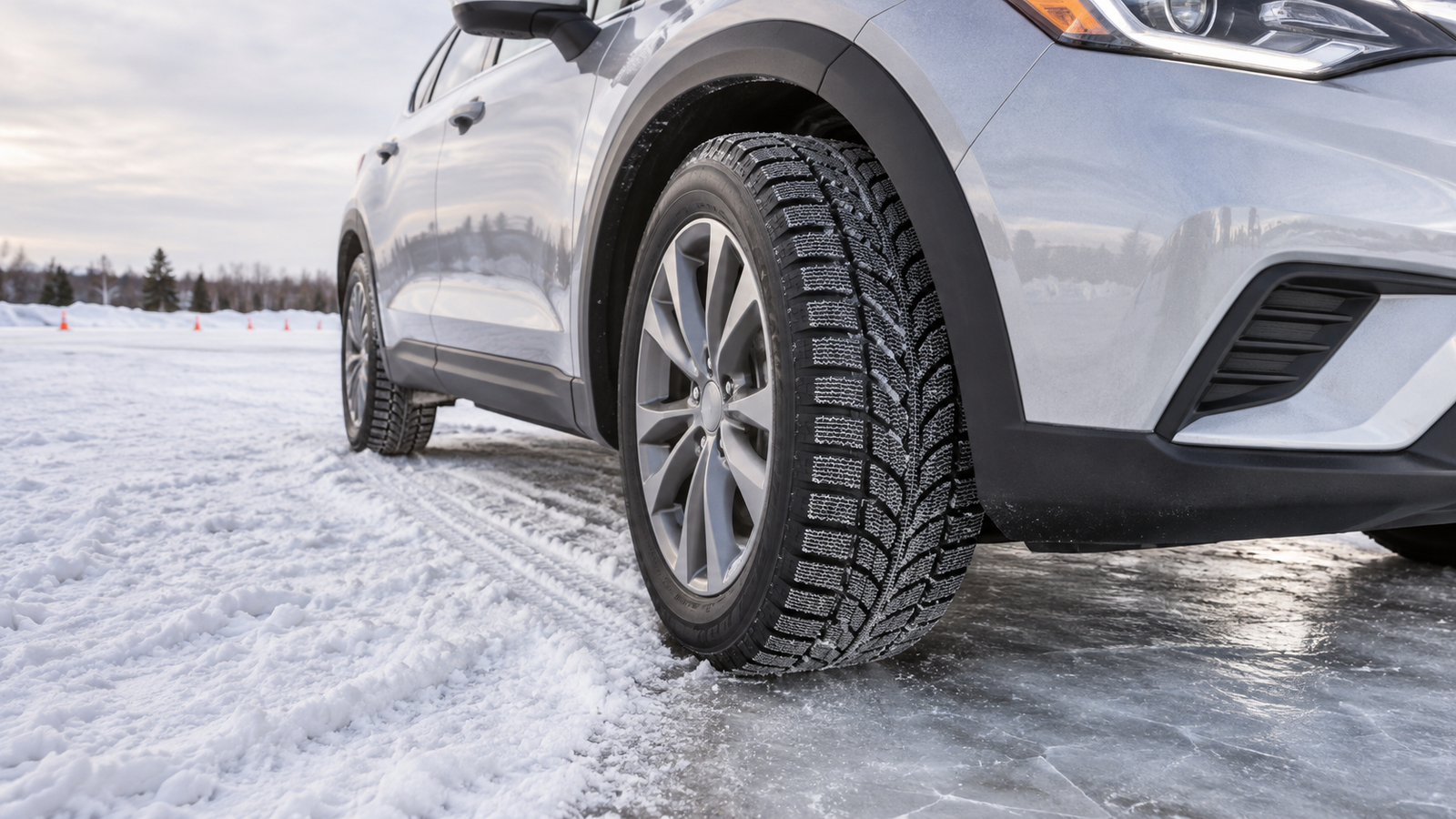
On smooth ice, the test measured how far each tire took to slow from about 12 mph to 3 mph. Here are results for the four models above and the dedicated winter reference, rounded to the nearest foot.
| Tire | Type | Ice braking distance |
|---|---|---|
| Nokian Hakkapeliitta R5 SUV | Dedicated winter reference | 29 ft |
| Michelin CrossClimate2 | All-weather | 33 ft |
| Pirelli Scorpion WeatherActive | All-weather | 34 ft |
| Bridgestone WeatherPeak | All-weather | 36 ft |
| Nokian Remedy WRG5 | All-weather | 37 ft |
The Michelin needed about four feet more than the dedicated winter tire, even at that low speed. These numbers compare tires in one test under the same conditions. They measure part of a stop and exclude driver reaction time. Your result can change with tire size, tread wear, road temperature, and the kind of ice you drive on.
Snow and ice also gave different winners. The WeatherPeak led the all-weather group in snow braking, while the CrossClimate2 led that group on ice. The Remedy WRG5 gained speed on ice faster than the CrossClimate2 in the same test, but needed more distance to slow down. If your main worry is stopping at the bottom of a slick hill, start with the braking results.
All-Season, All-Weather, and Winter Tires
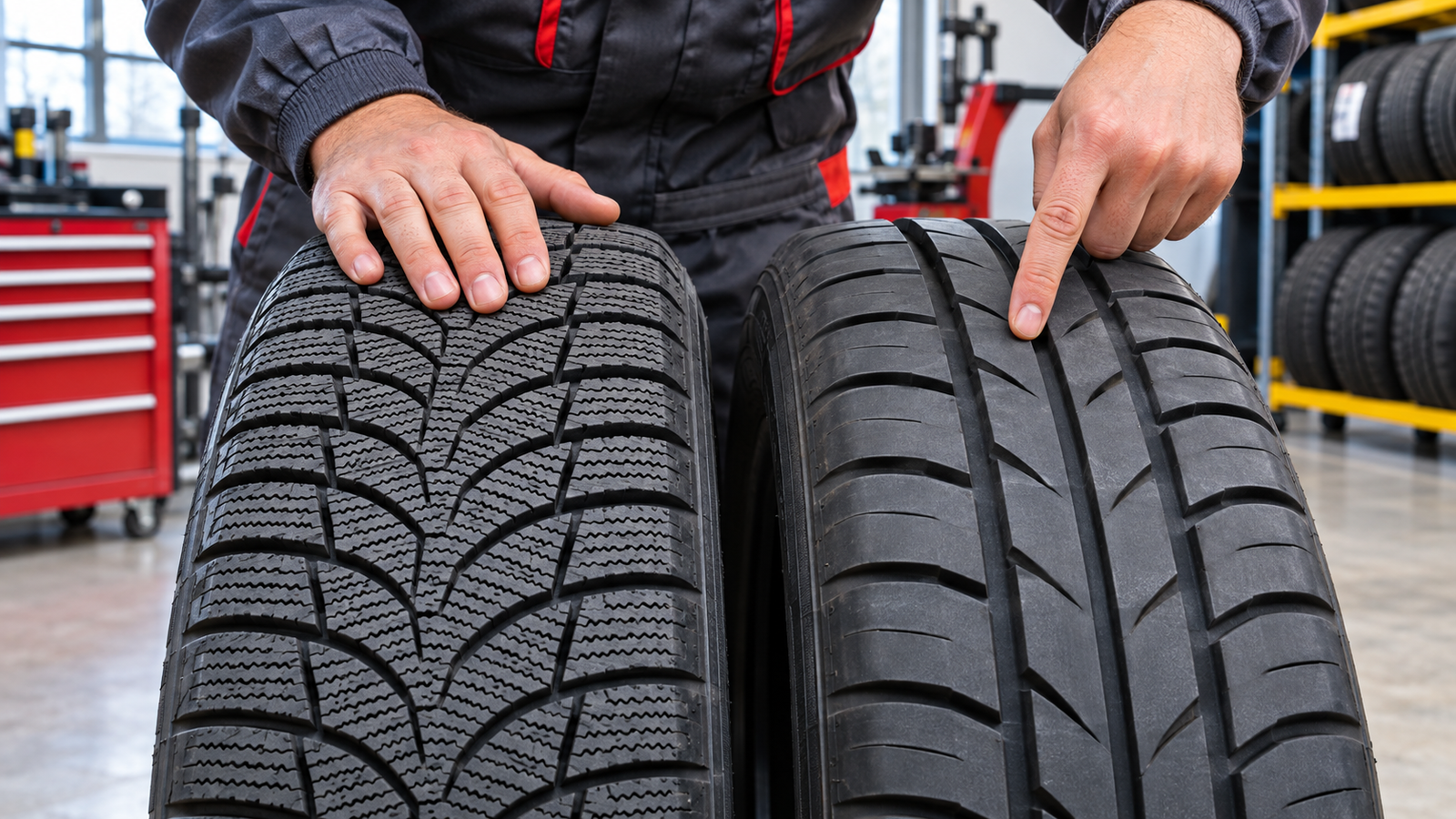
All-season tires cover everyday driving
Many all-season tires are built for a mix of dry and wet roads with some light snow. If you see regular snow, check the exact tire model for the mountain snowflake and look at how it did in snow tests. The words “all-season” on a retailer page tell you little about ice braking.
All-weather tires can serve as one year-round set
Retailers often use “all-weather” for year-round tires with stronger snow grip than typical all-season models. Look for the three-peak mountain snowflake, also called 3PMSF, on the tire sidewall or in the specs for your size.
The mark shows that the tire meets a packed-snow traction standard. Use separate ice braking results to judge how it slows on ice. The U.S. Tire Manufacturers Association’s severe-snow tire bulletin explains the packed-snow test behind that mark.
Dedicated winter tires make sense for frequent ice
Winter tires use rubber designed to stay flexible in the cold. Many also have fine cuts in the tread, called sipes, that add grip edges. If you deal with ice and snow for much of the winter, a dedicated set gives you models designed for those roads. Plan for the cost of four tires, seasonal swaps, and storage if you need it. Michelin’s winter tire guide explains these design features and why a full set helps maintain grip at both ends of the car.
Slow down and leave more room to stop on snow or ice. All-wheel drive can help you get moving. Your tires still need grip to steer and brake. Check current road closures and chain controls before you drive into a storm.
Which Tire Fits Your Winter Drive?
Mostly plowed roads with snow between storms
Say your commute includes city streets and a highway that gets plowed soon after snow falls. I’d start with the CrossClimate2 and compare it with the WeatherPeak in the size your car needs. Look at wet braking too. That may matter on more of your trips than smooth-ice grip.
An untreated hill on your daily route
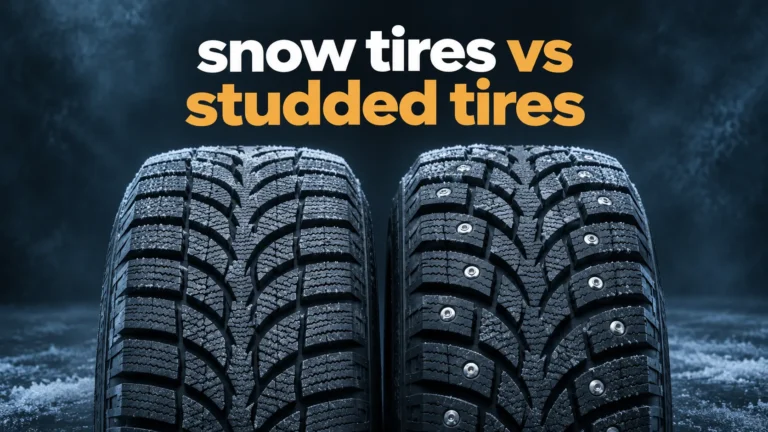
Say you drive before sunrise and the hill near home ices over several times a week. I’d budget for dedicated winter tires. Compare ice braking with models in the right size and ask the shop what it charges to swap the sets each season. If you’re weighing metal studs, check your state’s rules and read our guide to studless and studded winter tires.
Occasional ski trips with mostly clear roads at home
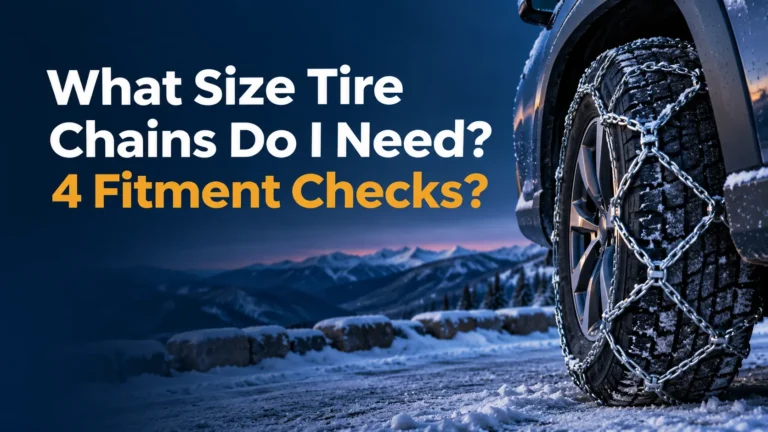
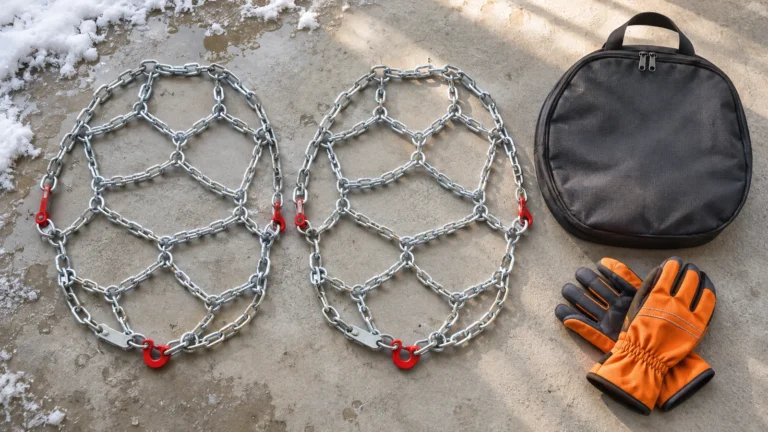
If you can plan around storms, an all-weather tire may fit your day-to-day use. Before a mountain trip, check the rules for the pass and what your vehicle can carry or use. A snowflake mark alone won’t tell you whether you’ll need chains. Our guide to choosing the right tire chain size explains how to check fit and clearance.
Four Checks Before You Buy
Start with the tire placard inside the driver’s door and the owner’s manual. Have the shop confirm the tire size, load rating, and speed rating for your setup. If the front and rear need different sizes, ask whether the model you want comes in both.
Check the brand, model, size, and snowflake mark on the listing or ask the seller to confirm them. A close name can point to a different tire. For example, the tested Pirelli was the Scorpion WeatherActive.
Use ice results for glazed roads, snow results for packed snow, and wet braking for plowed roads that stay damp. When possible, compare models tested on the same vehicle, in the same size, and under the same conditions.
Ask for the price with mounting, balancing, and disposal fees. If you’re comparing year-round tires with a winter set, include wheels, pressure sensors, seasonal swaps, or storage if you’ll need them. Check that the shop can get all four tires before you book.
Check your cold tire pressure after the new set goes on and again when the weather turns colder. Use the vehicle maker’s recommended pressure for your setup. Keep a gauge handy and follow a regular tire pressure check schedule.
Common Winter Tire Shopping Mistakes
- Treating every snowflake tire as equal on ice. Use the mark to screen for snow traction, then look at ice braking results separately.
- Buying based on an overall test rank. Check how the test weights dry, wet, snow, and ice. The overall winner may put more weight on dry or wet roads than you do.
- Assuming a new-tire result applies to a worn set. Check tread depth and follow the tire maker’s guidance before winter, especially if you’ve run the tires through several summers.
- Mixing winter tires with another type on the other axle. If you choose dedicated winter tires, plan for a full set. A big difference in grip from front to rear can change how the car handles.
Key Takeaways
- Start with the Michelin CrossClimate2 if you want one set for mixed winter roads and occasional ice.
- Compare the Pirelli Scorpion WeatherActive for SUV ice grip and the Bridgestone WeatherPeak for packed-snow braking.
- Choose a dedicated winter tire if you often face hard ice, untreated roads, or steep winter grades.
- Use the mountain snowflake to check snow traction, then compare ice braking separately.
Frequently Asked Questions
What are the best all season tires for snow and ice?
The Michelin CrossClimate2 is a good first all-weather pick for mixed winter roads. It led the all-weather group in ice braking in the Tyre Reviews test used here. For frequent hard ice, compare dedicated winter tires.
Are all-weather tires good on ice?
Some all-weather tires can handle occasional ice better than others. Compare ice braking tests for the models you’re considering. If ice is a regular part of your drive, start with dedicated winter tires.
Does the mountain snowflake mean a tire is rated for ice?
The three-peak mountain snowflake shows that a tire meets a snow traction standard. Use separate ice test results to compare how well tires brake or accelerate on ice.
Can I use all-weather tires year-round?
Yes. All-weather tires are designed for year-round use. Check that the exact model suits your vehicle and compare its wet, dry, and winter performance before buying.
Do I need winter tires if I have all-wheel drive?
All-wheel drive helps you get moving. Tire grip still matters when you brake and turn. If you drive on hard ice or untreated snow often, consider a full set of dedicated winter tires.
Do all-weather tires qualify under chain controls?
Check the current rules for your route. A mountain snowflake tire can meet some winter tire requirements, while stricter controls may still require chains or another approved device.
Which Tires I’d Buy for Snow and Ice
For one set on mostly plowed roads, I’d get an installed quote for the CrossClimate2 in my vehicle’s approved size. I’d compare the WeatherPeak if packed snow was the bigger problem, or the Scorpion WeatherActive if I drove a compatible SUV and wanted another strong ice option. For a route that stays icy day after day, I’d put the money toward four dedicated winter tires.